
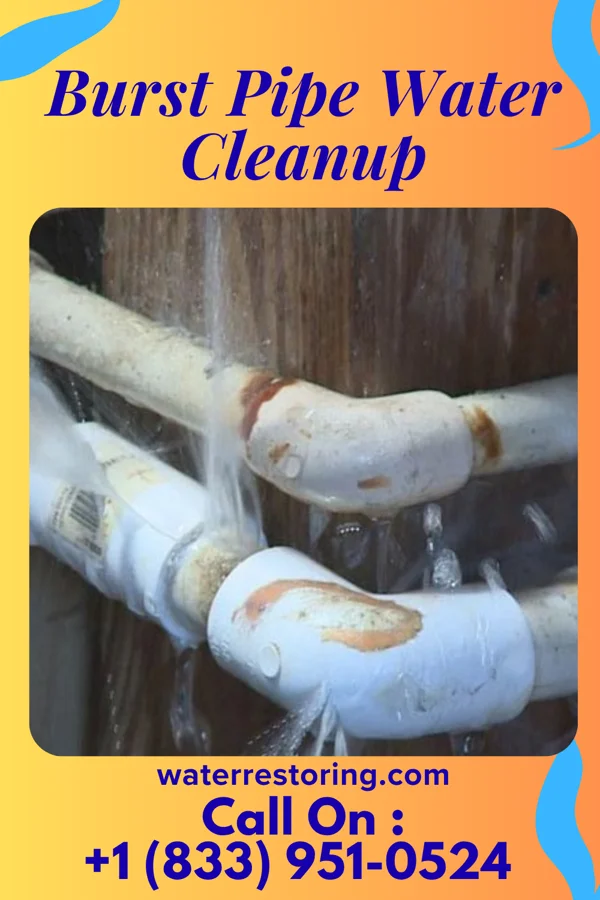
Hidden Burst Pipes in Conover
Property owners across Conover call certified water damage restoration when Conover, located in Catawba County, experiences frequent fluctuations in temperature and humidity, which can cause pipes to expand and contract, increasing the risk of bursts. The rural setting of Conover means that some homes may have older plumbing systems that are more prone to failure, especially in areas near Claremont, NC, where water pressure can be higher.. A close second is The proximity to Newton, NC, and St. Stephens, NC, exposes Conover residents to potential water main breaks that can lead to sudden pipe bursts. Additionally, the local terrain includes areas with clay soil, which can contribute to pipe corrosion and structural issues over time..
Conover's climate, characterized by cold winters and hot, humid summers, presents unique challenges for plumbing systems. The combination of temperature extremes and seasonal rainfall increases the likelihood of pipe bursts, making prompt water cleanup essential to prevent further damage.
Conover's climate, characterized by cold winters and hot, humid summers, presents unique challenges for plumbing systems. The combination of temperature extremes and seasonal rainfall increases the likelihood of pipe bursts, making prompt water cleanup essential to prevent further damage. The dominant local driver is Conover, located in Catawba County, experiences frequent fluctuations in temperature and humidity, which can cause pipes to expand and contract, increasing the risk of bursts. The rural setting of Conover means that some homes may have older plumbing systems that are more prone to failure, especially in areas near Claremont, NC, where water pressure can be higher., with The proximity to Newton, NC, and St. Stephens, NC, exposes Conover residents to potential water main breaks that can lead to sudden pipe bursts. Additionally, the local terrain includes areas with clay soil, which can contribute to pipe corrosion and structural issues over time. showing up as the next most common cause. Damage builds in stages. Spread. Absorption. Microbial growth. Structural compromise. Every stage you pass through adds to the final bill.